
If you’ve ever worked with an agency that overpromised and underdelivered, you already know how frustrating this process can get. We’ve had clients come to us after spending months (and a lot of money) on websites that never really worked for their business. So let’s keep this real. If you want to build a professional business website in 2026, you don’t need fancy jargon or trends that fade in six months—you need clarity, structure, and decisions that actually make sense for your business. This guide isn’t about hype. It’s about what actually works today, especially if you’re running a small or growing business. Whether you’re starting from scratch or fixing a broken site, we’ll walk you through this step by step, just like we do with our own clients. No shortcuts, no fluff—just a practical business website guide that helps you do it right the first time.
Why You Need to Build a Professional Business Website in 2026
We’ll be honest—having just “any website” is no longer enough. In 2026, your website is often the first interaction someone has with your business, even before they talk to you. We’ve seen businesses lose leads simply because their site looked outdated or confusing. When you build a professional business website in 2026, you’re not just creating an online presence—you’re building trust before the first conversation happens. A proper business website development approach helps you stand out in crowded markets, especially if you’re competing locally. People now search, compare, and decide quickly. If your site doesn’t answer their questions within seconds, they move on. That’s just the reality now. So yes, it’s necessary—but more importantly, it needs to be done properly.
Importance of Professional Website Design for Modern Businesses
A lot of people underestimate this part. We’ve had clients say, “Design doesn’t matter much, right?” But it does—more than most expect. A strong professional website design doesn’t just look good; it makes your business feel reliable. When we help clients build a professional business website in 2026, we focus on how users actually behave—where they click, what they ignore, and what makes them leave. Design is no longer just visual; it’s functional. Your layout, fonts, spacing, and even button placement influence decisions. If things feel off, users won’t stick around. And the worst part? They won’t tell you why—they’ll just leave.
First Impressions and Brand Credibility
Let’s talk honestly—people judge fast. Within a few seconds, visitors decide if they trust your business or not. We’ve seen this happen repeatedly in company website development projects. If your site feels cluttered or outdated, users assume your service might be the same. It’s harsh, but real. Clean layouts, readable content, and consistent branding instantly make your business look more credible. When we build a professional business website in 2026, we treat design like a silent salesperson—it should communicate confidence without saying too much. Small details matter more than you think.
Role of Websites in Customer Acquisition in 2026
Your website is no longer just informational—it’s your main acquisition channel. Many businesses now rely on their site for leads, bookings, or direct sales. If you’re figuring out how to create a business website, think beyond “About Us” pages. Your site should guide visitors toward action. Whether it’s filling out a form or making a call, everything should feel natural. We’ve helped businesses increase conversions just by simplifying their structure. That’s the difference between a basic site and a strategic one.
Key Benefits of Business Website Development
A proper business website development strategy pays off over time. It’s not just about launching—it’s about long-term results. When done right, your website works for you 24/7. No employee, no office hours—just consistent presence. We always tell clients: don’t think of your site as a cost; think of it as an asset that grows with your business.
Increased Online Visibility and SEO Advantages
Search engines are still one of the biggest traffic sources. When you build a professional business website in 2026, SEO isn’t optional—it’s built into everything. From page structure to content, everything plays a role. A well-optimized site helps your business appear when people search for services near them. Especially for website design for small business, local visibility can bring in highly relevant leads without spending heavily on ads.
Better Customer Engagement and Conversion Rates
We’ve seen poorly designed sites where users don’t even scroll. Engagement drops instantly. A good website keeps people interested, answers their questions, and builds confidence. Clear messaging, fast loading, and simple navigation all contribute to better conversions. That’s the goal—not just traffic, but results.
Step-by-Step Process to Build a Professional Business Website in 2026
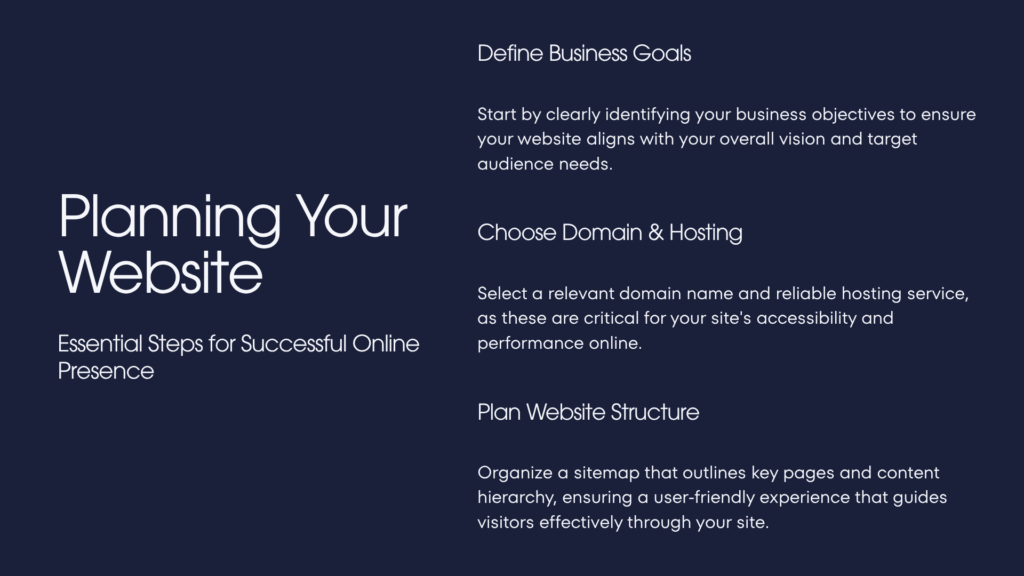
Now let’s break it down into something practical. If you want to build a professional business website in 2026, you need a step-by-step approach that actually makes sense—not a checklist copied from somewhere else. This is the same process we follow internally.
Step 1 – Define Your Business Website Goals and Target Audience
Before design or development, we always start here. Skipping this step is one of the biggest mistakes we see. If you don’t know who your site is for, everything else becomes guesswork.
Identifying Your Ideal Customers
Think about your real customers—not everyone. What are they searching for? What problems are they trying to solve? When we work on company website development, we spend time understanding this deeply. It shapes everything—from design to content.
Setting Clear Website Objectives
What should your website actually do? Generate leads? Sell products? Build authority? When you build a professional business website in 2026, clarity here avoids confusion later. Each page should have a purpose.
Step 2 – Choose the Right Platform for Company Website Development
This is where many people get stuck. There are too many options—and not all are suitable.
Website Builders vs CMS Platforms
Builders are easier but limited. CMS platforms give more control but require some learning. For serious business website development, we usually recommend flexibility over shortcuts.
Best Platforms for Small Business Websites in 2026
Platforms like WordPress, Webflow, and Shopify (for eCommerce) are still strong choices. The best one depends on your business model—not trends.
Step 3 – Secure a Domain Name and Web Hosting
This part sounds simple, but it can go wrong quickly if rushed.
Tips for Choosing an SEO-Friendly Domain Name
Keep it short, clear, and relevant. Avoid complicated spellings. Your domain should reflect your brand and be easy to remember.
Reliable Hosting Options for Business Websites
Good hosting affects speed, security, and uptime. We’ve seen slow websites lose traffic even with good design. Don’t compromise here.
Step 4 – Plan Your Website Structure and Content
A good structure makes everything easier—for users and search engines.
Essential Pages Every Business Website Must Have
At minimum: Home, About, Services, Contact, and sometimes Blog. Each page should answer specific questions users have.
Creating SEO-Optimized Content for Your Website
Content should feel natural, not stuffed with keywords. When we build a professional business website in 2026, we focus on clarity first, SEO second—but both matter.
Step 5 – Design a Professional Website for Your Business
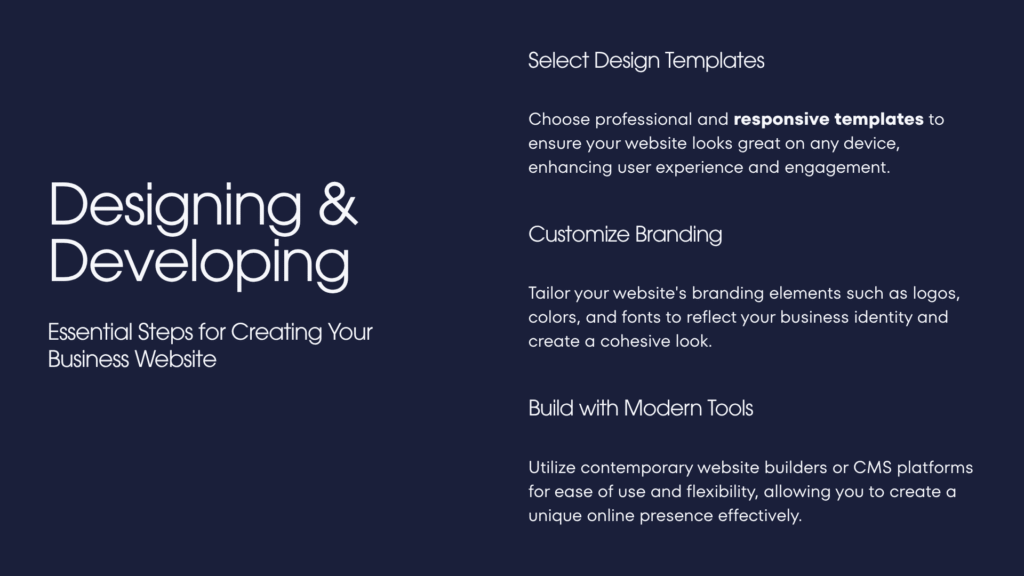
This is where everything starts coming together.
Mobile-First and User-Friendly Design Principles
Most users are on mobile. If your site doesn’t work smoothly on phones, you’re losing traffic. It’s that simple.
Branding Elements and Visual Consistency
Colors, fonts, tone—all should feel consistent. It builds recognition and trust over time.
Step 6 – Optimize Your Website for SEO, AEO, and GEO
Search has changed a lot. It’s not just Google rankings anymore.
On-Page SEO Best Practices for 2026
Use clear headings, fast loading speeds, and structured content. Basics still matter.
Voice Search and AI Search Optimization (AEO)
People now ask questions instead of typing keywords. Your content should answer those questions directly.
Local SEO and Geo-Targeting Strategies
If you’re targeting specific areas, your site should reflect that. Location-based keywords help attract nearby customers.
Step 7 – Test, Launch, and Maintain Your Website
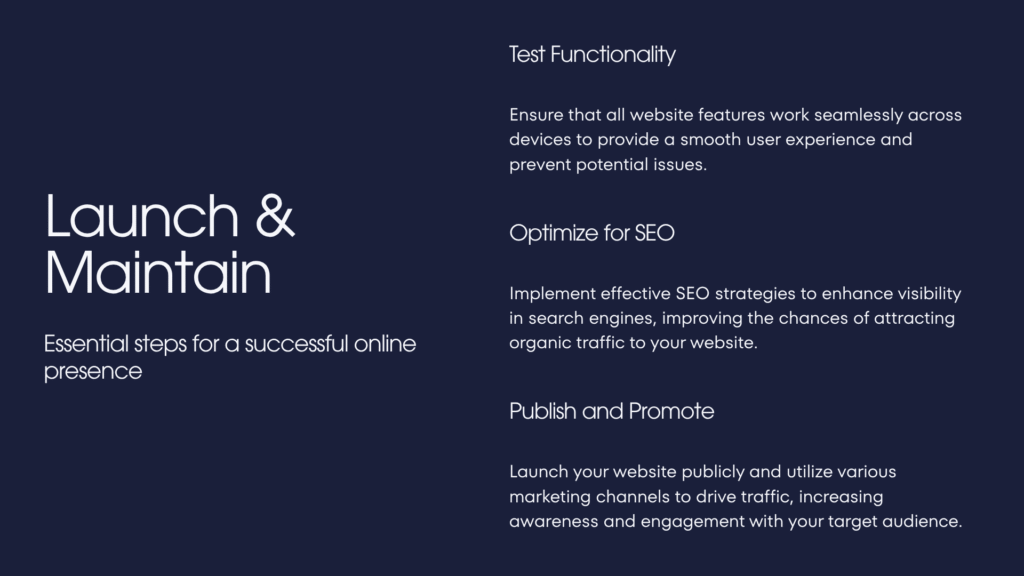
Launching isn’t the end—it’s the beginning.
Pre-Launch Checklist for Business Websites
Check links, speed, mobile view, and forms. Small errors can create a bad first impression.
Website Maintenance and Performance Monitoring
Regular updates, backups, and monitoring keep your site running smoothly over time.
Best Practices for Business Website Development and Long-Term Success
Building the site is just part of the journey. Keeping it effective is where most businesses struggle.
Common Mistakes to Avoid When You Create a Business Website
We’ve seen these mistakes way too often.
Poor Navigation and Slow Loading Speed
If users can’t find what they need quickly, they leave. Speed and structure matter more than fancy design.
Ignoring Mobile Optimization
Still happens in 2026—and it still hurts businesses.
Tools and Resources for Professional Website Design
The right tools can simplify things significantly.
Design, SEO, and Analytics Tools
Tools like Google Analytics, Search Console, and design platforms help track and improve performance.
Automation and AI Tools for Websites in 2026
AI tools now assist with content, chatbots, and personalization. Useful—but only when used thoughtfully.
Future Trends in Business Website Development
Things are evolving, but not everything needs to be followed blindly.
AI-Driven Personalization
Websites can now adapt content based on user behavior. Done right, it improves engagement.
No-Code and Low-Code Website Solutions
More businesses are building sites without heavy coding. But flexibility still matters for long-term growth.
Final Thoughts (From Our Experience)
If there’s one thing we’ve learned, it’s this: rushing the process leads to regret. When you build a professional business website in 2026, take the time to get the foundation right. Don’t chase trends—focus on what your users actually need.
If you’ve had a bad experience before, you’re not alone. We work with clients who come to us after dealing with delays, poor communication, or websites that just didn’t deliver. That’s exactly why we keep things simple, transparent, and realistic.
If you need a reliable team that focuses on actual results—not just promises—you can check out
http://amzsoftinnovexa.com/