
When clients ask us about android vs ios app development 2026, it’s usually after they’ve already hit a wall—either with costs going out of control or an app that just didn’t perform. The real difference isn’t just technical; it shows up in day-to-day business decisions. Android app development tends to give you wider reach, especially in markets like India, but it can get tricky with device fragmentation and testing. On the other hand, ios app development feels more controlled, cleaner in execution, but comes with stricter guidelines and sometimes slower approvals. We’ve noticed that many business owners assume one platform is “better,” when actually it’s about fit—your users, your pricing model, your timeline. A proper mobile app platform comparison helps avoid guesswork, but most articles oversimplify it. In reality, the choice affects everything from maintenance costs to how quickly you can roll out updates. Some app development platforms make promises that don’t hold up once you scale. We’ve seen both success stories and expensive mistakes on each side. That’s why we always say—don’t rush this decision, because fixing it later is never cheap.
Overview of Android App Development in 2026
Android app development in 2026 is a bit of a mixed bag—in a good and sometimes frustrating way. You get access to a massive user base, especially for business mobile apps targeting diverse audiences, but managing performance across devices still requires careful planning. We’ve worked with clients who loved the flexibility Android offers, especially when they needed custom features or integrations. But at the same time, they didn’t expect the extra testing effort needed for different screen sizes and OS versions. This is where things often go wrong if the development team cuts corners. From a cost perspective, Android can seem affordable upfront, but long-term maintenance needs to be factored in. Still, if your goal is reach and accessibility, it’s hard to ignore. In the android vs ios app development 2026 conversation, Android often wins for scalability across markets. But it demands patience and a structured development approach. If that part is missing, the app can quickly feel inconsistent to users.
Overview of iOS App Development in 2026
With ios app development, things usually feel more predictable—which is honestly a relief for many clients who’ve dealt with unstable apps before. Apple’s ecosystem is tighter, so performance consistency is less of a headache compared to Android. We’ve seen businesses choose iOS not just for quality but because their audience expects a premium experience. That said, it’s not all smooth—Apple’s review process can slow things down, especially if you’re trying to push frequent updates. In the android vs ios app development 2026 discussion, iOS often stands out for better monetization potential. But it does come with higher initial investment and stricter design rules. For some, that structure is helpful; for others, it feels limiting. The key thing we tell clients is—iOS works best when your user base is clearly defined. Otherwise, you might end up building something polished but not widely used.
Mobile App Platform Comparison: Android vs iOS
A proper mobile app platform comparison isn’t about listing features—it’s about understanding trade-offs you’ll actually feel during development and after launch. We’ve had clients switch platforms mid-project, and trust us, that’s never a pleasant experience. Android app development gives flexibility and reach, while ios app development offers stability and better revenue opportunities in many cases. But the confusion usually starts when businesses try to balance both without a clear roadmap. In android vs ios app development 2026, the smarter approach is often phased—start where your audience is strongest. App development platforms today make cross-platform builds easier, but they don’t eliminate platform-specific challenges. Performance, user expectations, and update cycles still differ. We’ve seen apps succeed on both platforms, but only when the choice was intentional. If you’re unsure, it’s better to test small rather than commit big too early.
Android vs iOS App Development 2026: Which Platform is Best for Startups and Enterprises?
This is where things get a bit more nuanced, because startups and enterprises don’t play by the same rules. When discussing android vs ios app development 2026, we’ve noticed startups usually care about speed and budget, while enterprises focus more on scalability and long-term stability. Android app development often works well for startups trying to reach a broader audience quickly. Meanwhile, ios app development is often preferred by enterprises targeting premium users or specific regions.
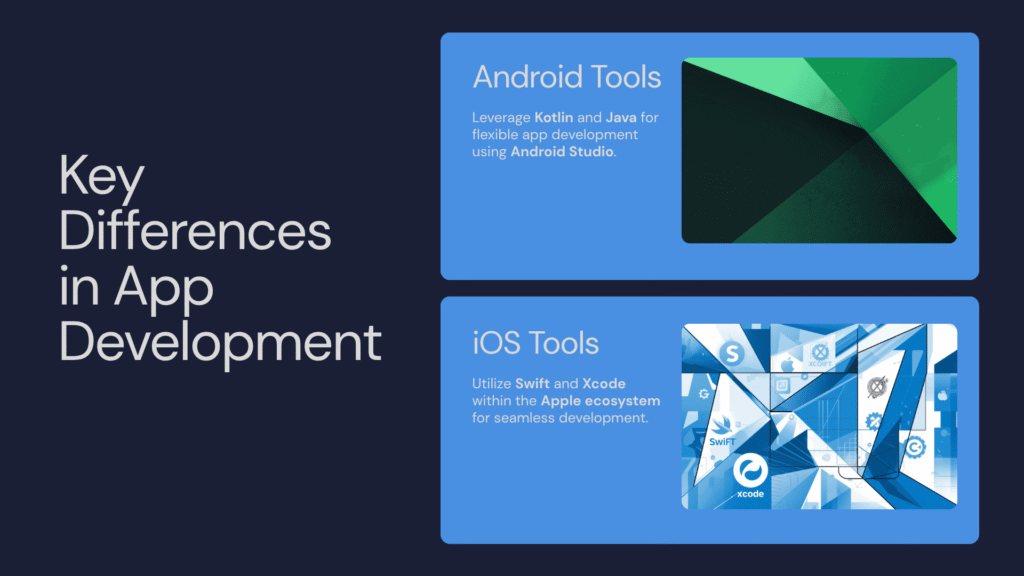
But honestly, we’ve seen both types of businesses make the wrong call when they followed trends instead of data. A mobile app platform comparison should always consider your business stage, not just features. App development platforms offer plenty of options, but not all are practical for your situation. The real question isn’t which is better—it’s which aligns with your current reality. That’s something many teams overlook until it’s too late.
iOS vs Android for Startups: Cost, Time, and ROI
When it comes to ios vs android for startups, cost confusion is probably the biggest issue we hear about. Some assume Android is always cheaper, but that depends on complexity and how well the project is managed. Android app development can take longer due to testing across devices, which affects timelines. iOS app development, while more controlled, may require higher upfront investment. We’ve worked with startups who underestimated both and ended up delaying launch. ROI isn’t just about platform—it’s about execution and timing. In the android vs ios app development 2026 context, choosing the wrong platform can slow down validation. If you need quick feedback from users, your choice should reflect that. App development platforms can help speed things up, but they won’t fix a poor strategy. We usually recommend starting lean and expanding once the product proves itself.
Best App Development Platforms for Business Mobile Apps
Choosing from different app development platforms can feel overwhelming, especially when every tool claims to be the fastest or most cost-effective. We’ve tested quite a few while building business mobile apps, and the truth is—no platform is perfect. Some are great for quick MVPs, while others are better suited for long-term scaling. In the android vs ios app development 2026 discussion, platform choice often affects performance more than people expect. Android app development tools offer flexibility, but can get complex. iOS app development tools are more streamlined but less forgiving. The key is matching the platform to your project scope, not just picking what’s popular. We’ve seen businesses struggle because they chose convenience over compatibility. It’s better to spend a little more time planning than fixing things later.
Revenue Potential in Android vs iOS App Development
Revenue is where many decisions get emotional, especially when comparing android vs ios app development 2026. There’s a general belief that iOS users spend more, and in many cases, that’s true. But we’ve also seen Android apps generate strong revenue through volume and ad-based models. Android app development works well if your strategy focuses on reach and engagement. iOS app development often performs better for subscriptions and premium services. Still, revenue depends heavily on your business model, not just the platform. A mobile app platform comparison should always include how you plan to earn, not just build. We’ve seen apps fail on both platforms simply because monetization wasn’t thought through. It’s not about picking the “rich” audience—it’s about aligning your product with user behavior.
How to Choose Between Android and iOS App Development for Your Business in 2026
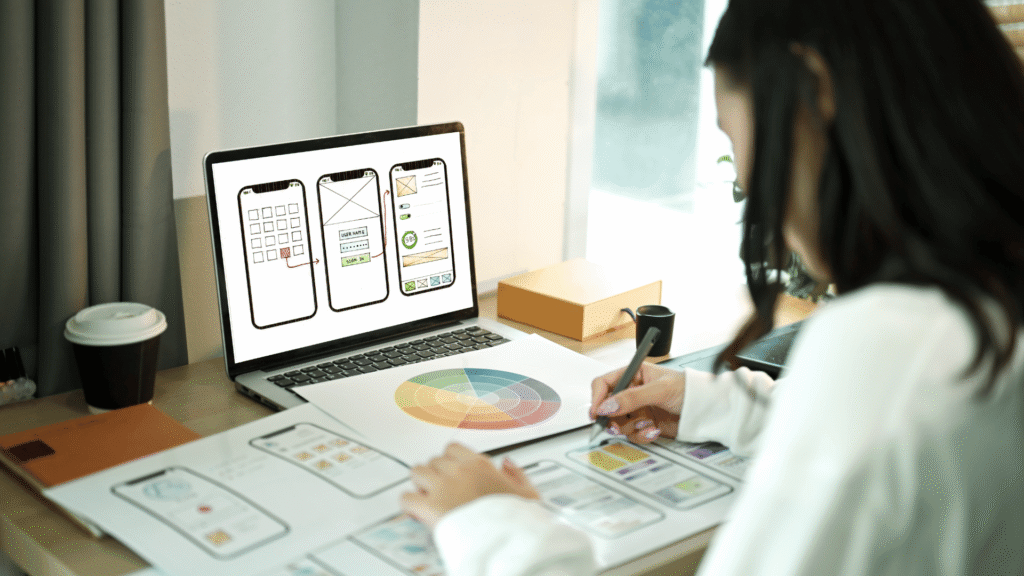
If you’re trying to decide between platforms, the best approach is to slow down and look at your actual business needs. In the android vs ios app development 2026 conversation, we often see people rushing into development without clarity. Android app development might seem like the obvious choice for reach, while ios app development looks attractive for quality—but neither works without context. A proper mobile app platform comparison should start with your audience, not the technology. App development platforms can support either direction, but they won’t fix a weak foundation. We’ve helped clients rethink their approach midway, and it’s always more expensive than getting it right early. The goal isn’t perfection—it’s making a decision you won’t regret in six months. That’s usually where practical thinking beats trends.
Factors to Consider Before Choosing a Mobile App Platform
There are a few things we always ask before recommending anything—who your users are, how they behave, and what you expect the app to achieve. In android vs ios app development 2026, these basics still matter more than any new feature or tool. Android app development is useful when you need broader access, while ios app development works better for focused user groups. Budget, timeline, and scalability also play a big role. We’ve seen businesses ignore these and end up rebuilding from scratch. A mobile app platform comparison should include future updates, not just launch. App development platforms can simplify development, but they don’t remove the need for planning. If your foundation is unclear, even the best tech won’t save the project.
When to Choose Android App Development
We usually recommend android app development when reach is a priority and your audience is spread across different regions or device types. In the android vs ios app development 2026 landscape, Android still dominates in user numbers. It works well for business mobile apps that rely on scale, like marketplaces or service apps. But it’s not just about numbers—you need to be ready for testing challenges and ongoing maintenance. We’ve seen projects struggle because they underestimated this part. Android also makes sense if you want more customization and flexibility. Still, without proper planning, that flexibility can turn into inconsistency. It’s a strong choice, but only if you’re prepared for the work it brings.
When to Choose iOS App Development
ios app development is usually the better fit when your audience expects a polished, premium experience. In android vs ios app development 2026, iOS continues to stand out for performance and monetization. We’ve worked with clients who specifically targeted iOS users because of their spending behavior. But it’s not just about revenue—it’s also about consistency and easier maintenance. That said, the stricter ecosystem can slow things down, especially during approvals. If your business model depends on frequent updates, this can become frustrating. Still, for focused markets and high-quality expectations, iOS is often a safer bet. The key is knowing whether your users are actually there.
Why Partner with a Professional App Development Company
We’ll be honest—trying to manage everything on your own or with inexperienced developers often leads to delays and rework. In the android vs ios app development 2026 journey, having the right team can make a huge difference. We’ve seen projects fail not because of the platform, but because of poor execution. A professional team helps you navigate mobile app platform comparison with real insights, not guesswork. App development platforms are just tools—it’s the people using them that matter. Whether it’s android app development or ios app development, the right approach saves time and money. We focus on getting things right the first time, or at least avoiding the common mistakes. That alone can save months of frustration.
Build High-Performance Apps with Expert Developers at Amzsoft Innovexa
Choosing a development partner is honestly harder than choosing the platform itself—we hear this all the time. In the context of android vs ios app development 2026, what most businesses want is reliability, not big promises. That’s exactly where we try to keep things simple. We work closely with clients to understand what went wrong before, what they actually need now, and how to move forward without repeating mistakes. Whether it’s android app development or ios app development, we focus on practical execution. Business mobile apps need to perform in real conditions, not just look good in demos. App development platforms can support the build, but consistency comes from the team. We don’t overcomplicate things—we just make sure the app works the way it should.
Why Choose Amzsoft Innovexa for Android vs iOS App Development 2026
We’ve built our process around one simple idea—avoid the problems most clients come to us with. In android vs ios app development 2026, that means clear communication, realistic timelines, and no shortcuts that cause issues later. We’ve handled both android app development and ios app development projects where clients had already faced setbacks. So we focus on stability, scalability, and making sure things don’t break after launch. A mobile app platform comparison is part of our process, not an afterthought. We don’t push one platform over another—we recommend what actually fits. That approach has worked better than chasing trends.
Start Your Business Mobile App with Amzsoft Innovexa Today
If you’re still unsure where to start, that’s completely normal—we’ve had many conversations that began the same way. In the android vs ios app development 2026 space, clarity usually comes from asking the right questions, not rushing decisions. We’re here to help you figure out what makes sense for your business mobile apps, even if that means starting small. Android app development or ios app development—either way, the goal is to build something that works and grows with you. App development platforms can support the journey, but direction matters more. We keep things straightforward, so you don’t end up dealing with the same issues again.
Frequently Asked Questions (FAQs)
What is the main difference in android vs ios app development 2026?
In simple terms, the biggest difference comes down to reach versus control. Android app development usually gives you access to a larger and more diverse audience, especially in markets like India, while ios app development offers a more consistent user experience with fewer device-related issues. When we explain android vs ios app development 2026 to clients, we don’t just talk about features—we focus on how each platform behaves in real-world usage. Android can feel more flexible but requires more testing, while iOS is smoother but comes with stricter rules. The right choice depends on your users and how you plan to grow.
Which platform is better for startups: Android or iOS?
For startups, the answer isn’t always straightforward, even though many expect a clear winner in ios vs android for startups. If your goal is quick market reach and testing an idea across a wider audience, android app development often makes sense. But if you’re targeting a premium or niche audience, ios app development might deliver better early returns. We’ve seen startups succeed with both—it usually comes down to budget, timeline, and how clearly you understand your users. A quick mobile app platform comparison can help, but real clarity comes from your business goals.
Is Android app development cheaper than iOS in 2026?
This is one of the most common misunderstandings. Android app development can appear cheaper at first, but costs can increase due to testing across multiple devices and OS versions. ios app development may have a higher starting cost, but it’s often more predictable in terms of maintenance. In the android vs ios app development 2026 discussion, we usually tell clients to think beyond initial pricing. The total cost depends on app complexity, updates, and how well the project is managed. Cheap upfront doesn’t always mean cost-effective in the long run.
Which platform generates more revenue: Android or iOS?
Revenue depends more on your business model than the platform itself, but there are patterns. ios app development tends to perform better for paid apps, subscriptions, and premium services. Android app development, on the other hand, often works well for ad-driven models due to its larger user base. In any mobile app platform comparison, it’s important to align your monetization strategy with user behavior. We’ve seen apps fail on both platforms simply because revenue planning was unclear from the start.
Can I build an app for both Android and iOS at the same time?
Yes, and many businesses do—but it’s not always the best first step. App development platforms today allow cross-platform development, which can save time, but they don’t eliminate all platform-specific challenges. In android vs ios app development 2026, we often suggest starting with one platform, validating the idea, and then expanding. Trying to do everything at once can stretch your budget and delay launch. It’s usually better to get one version right before scaling.
How do I choose the right mobile app platform for my business?
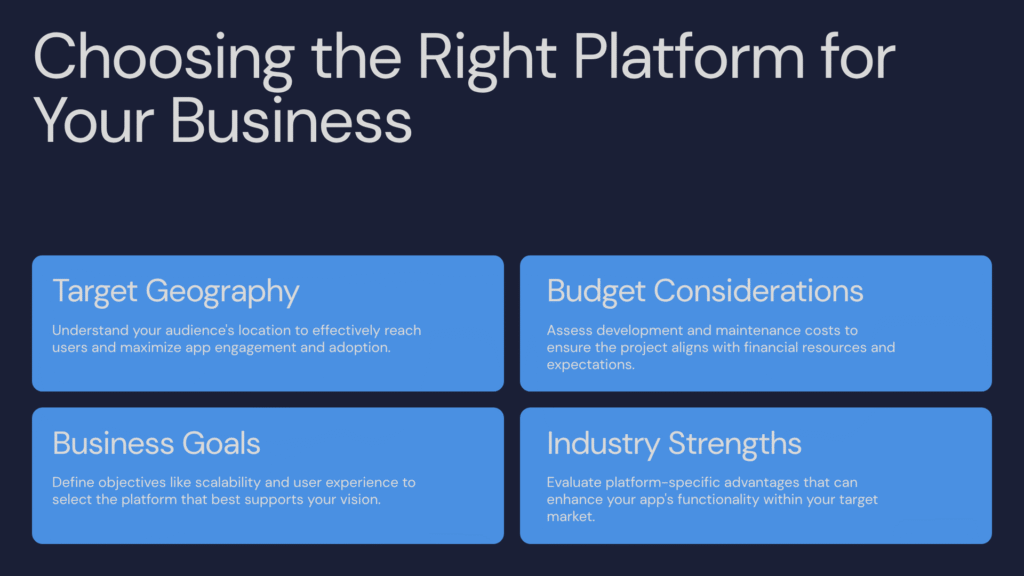
Choosing between platforms starts with understanding your users, not the technology. We usually look at where your audience is, what devices they use, and how they interact with business mobile apps. Android app development works well for broader reach, while ios app development suits more defined user groups. A proper mobile app platform comparison should also include your budget, timeline, and long-term plans. If those aren’t clear, even the best platform won’t give you the results you expect.
Do I need a professional app development company, or can I build it myself?
Technically, you can try building it yourself using modern app development platforms—but this is where many projects run into trouble. We’ve worked with clients who started that way and later came to us to fix performance issues or scalability problems. In the android vs ios app development 2026 space, execution matters more than tools. A professional team helps you avoid common mistakes, plan properly, and build something that actually works in real conditions. It’s less about complexity and more about getting it right the first time.