
Mobile App Development Services for Ecommerce Business , If you’re running an ecommerce business, you already know this — traffic is expensive, attention is short, and customers don’t wait. One slow checkout, one payment failure, one app crash during a sale… and they’re gone. We’ve worked with store owners who invested in an app before, only to end up with something unstable, bloated, and impossible to scale.
This guide is not about hype. It’s about clarity. We’ll break down what mobile app development services for ecommerce business actually involve, what features matter, what costs to expect, and how to avoid the mistakes that usually show up six months later — when it’s too late.
Why Ecommerce Businesses Need Professional Mobile App Development Services
A mobile app is not just a smaller version of your website. It’s a completely different environment. Different performance rules. Different user behavior. Different technical pressure — especially during sales.
When apps are built casually, without ecommerce-specific logic, problems surface fast. Inventory doesn’t sync. Coupons break. Checkout slows down. And support tickets pile up. Professional mobile app development services help prevent that chaos before launch, not after.
Growing Demand for Ecommerce Mobile Apps in 2026
By 2026, mobile commerce isn’t a trend. It’s default behavior. Customers expect faster load times than websites, smoother checkout than browsers, and instant order updates.
We’re seeing more ecommerce brands moving from “maybe we need an app” to “why didn’t we build this earlier?” But the demand also means more rushed builds. And rushed ecommerce apps are fragile. Stability matters more than speed of launch.
How Mobile Apps Increase Sales and Customer Retention
Apps remove friction. No browser reload. No re-login every time. Saved addresses. Stored payment methods. One-tap reorders.
We’ve seen businesses improve repeat purchase rates simply because the app experience felt easier than the website. Push notifications help, yes — but what really drives retention is consistency. If the app doesn’t crash during peak traffic, customers come back. If it does, they don’t.
Mobile App vs Ecommerce Website – Which Performs Better?
This isn’t a competition. It’s about use case. Websites are great for discovery. Apps are powerful for retention.
Conversion Rate Comparison
In most ecommerce projects we’ve handled, app users convert higher than mobile website users. Why? Fewer distractions. Faster checkout. Pre-saved user data.
But that only happens when performance is optimized. mobile app development services for ecommerce business A poorly built app can convert worse than a well-optimized website. Execution matters more than format.
Customer Experience & Personalization
Apps allow deeper personalization — browsing history, past purchases, behavior tracking. We can tailor product suggestions more accurately than on web sessions that reset.
That said, personalization only works when backend systems are synced correctly. Inventory mismatches destroy trust faster than any UX issue.
Push Notifications & Repeat Purchases
Push notifications are powerful — but also dangerous if misused. Too many alerts and users uninstall.
We design notification logic around behavior triggers, not random promotions. mobile app development services for ecommerce business Abandoned cart reminders, restock alerts, price drops. Timed properly, they work. Forced notifications don’t.
Key Features of Custom Ecommerce App Development Solutions
Custom ecommerce app development solutions should fix real operational issues, not just showcase products nicely. We usually begin by identifying friction points — checkout delays, stock mismatches, or app crashes. Stability comes first. Scaling features come later. mobile app development services for ecommerce business If the core isn’t reliable, growth simply amplifies problems.
Essential Features Every Ecommerce Mobile App Must Have
Every ecommerce mobile app needs a strong technical base before advanced functionality is added. Clean architecture, stable checkout logic, and reliable backend integration matter more than flashy UI. Without that foundation, even expensive features fail under pressure. We build apps that survive real traffic, not just demo presentations.
Secure Payment Gateway Integration
Secure payment gateway integration is non-negotiable in ecommerce. We implement multiple payment options, encrypted processing, and fail-safe mechanisms to prevent checkout freezes. During peak sales, even minor payment errors cost real money. mobile app development services for ecommerce business Reliable transaction handling protects revenue and prevents customer frustration at the final step.
Advanced Product Search & Filters
Customers rarely browse endlessly. They search with intent. We build structured filters, predictive search, and typo-friendly indexing to help users find products fast. For stores with large inventories, poor search functionality quietly reduces conversions. Smart filtering improves usability and reduces abandonment without adding unnecessary complexity.
Real-Time Order Tracking
Order tracking reduces uncertainty and customer support load. When buyers can see real-time updates inside the app, trust increases. We integrate logistics APIs directly into the system, so customers don’t need to email or call repeatedly. Fewer tracking issues mean smoother post-purchase experience and stronger retention.
AI-Based Product Recommendations
AI-based product recommendations increase average order value when implemented properly. We connect recommendation engines to real behavioral data, not random featured listings. Subtle, relevant suggestions perform better than aggressive upselling. The goal isn’t pressure — it’s relevance that feels helpful rather than intrusive.
Advanced Features for Scaling Ecommerce Businesses
Once the app foundation is stable, we focus on growth-driven capabilities. Scaling features should support operational efficiency and revenue expansion, not create backend strain. We plan infrastructure carefully so growth doesn’t expose technical weaknesses later.
Multi-Vendor Marketplace Integration
Marketplace apps require structured vendor dashboards, commission logic, payout tracking, and approval workflows. Most marketplace failures happen due to backend confusion, not design issues. We design multi-vendor systems with clean logic from the beginning to prevent disputes, accounting errors, and operational chaos later.
CRM & Inventory Management Integration
Inventory mismatches damage credibility quickly. mobile app development services for ecommerce business If the app shows available stock but fulfillment systems show otherwise, customers lose trust. We integrate CRM, ERP, and inventory systems in real time so product availability, order status, and customer records remain synchronized across all platforms.
Loyalty Programs & Reward Systems
Loyalty programs should be simple and transparent. We build clear reward structures with easy redemption and visible tracking. Complicated points systems confuse users and increase refund requests. Straightforward reward mechanisms improve repeat purchases without overwhelming customers with unnecessary conditions.
Technology Stack Used in Ecommerce App Development
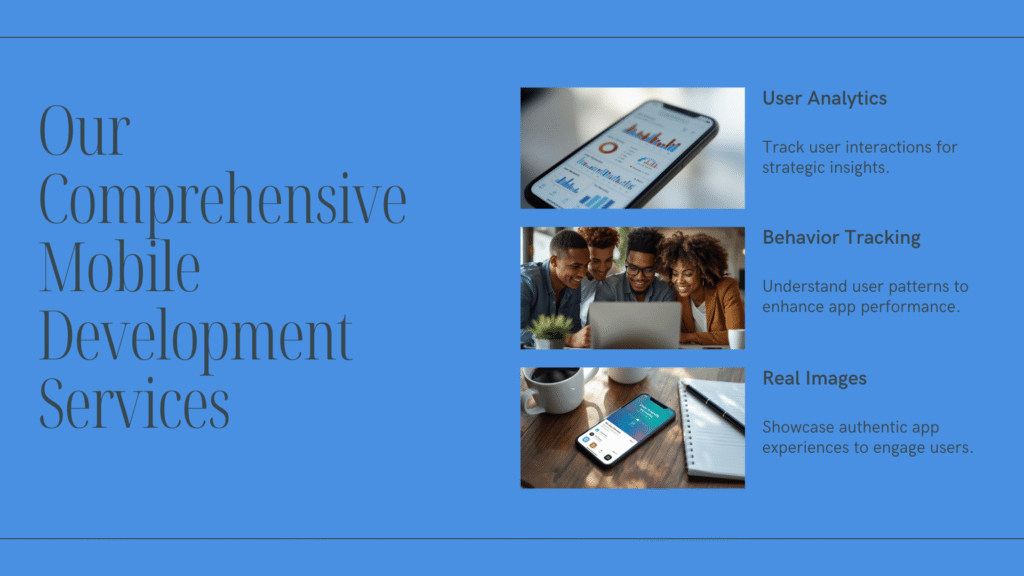
Technology decisions affect long-term performance, maintenance cost, and scalability. We select frameworks based on traffic expectations, feature complexity, and growth plans — not trends. The wrong tech stack may work initially but create performance limitations as your ecommerce platform expands.
Native vs Hybrid App Development
Native apps provide high performance and smoother user experience, especially under heavy traffic. Hybrid apps reduce development cost and timeline but may compromise performance for large ecommerce platforms. We evaluate business size, expected load, and future expansion before recommending either approach.
React Native vs Flutter for Ecommerce Apps
Both React Native and Flutter are capable frameworks. React Native offers ecosystem flexibility, while Flutter delivers consistent UI rendering. The decision depends on product scope, scalability goals, and maintenance strategy. We choose based on long-term practicality rather than popularity.
Backend & Cloud Infrastructure
Backend architecture determines app stability during flash sales or high traffic spikes. We implement scalable cloud infrastructure, load balancing, and caching systems to maintain performance. Without strong backend planning, even well-designed apps fail during peak demand periods.
How to Choose the Best Ecommerce Mobile App Development Company

Selecting an Ecommerce Mobile App Development Company requires more than comparing quotes. Ecommerce apps involve complex workflows — checkout logic, coupon engines, stock synchronization, and API integrations. mobile app development services for ecommerce business Agencies without ecommerce experience often underestimate these requirements, leading to expensive fixes later.
Key Factors to Consider Before Hiring Ecommerce App Developers
When hiring Mobile App Developers for Online Store projects, ask detailed questions about technical challenges, integrations, and scaling strategy. Superficial answers often signal limited ecommerce expertise. Clear technical explanations usually indicate real experience.
Industry Experience in Ecommerce Solutions
Experience in ecommerce solutions matters because workflows differ from general app development. Handling large product catalogs, payment optimization, and marketplace integrations requires domain knowledge. Developers unfamiliar with ecommerce logic may build visually appealing apps that fail operationally.
Portfolio & Case Studies
Ask for measurable results — performance improvements, crash reduction, conversion rate increases. Real case studies reveal problem-solving ability. mobile app development services for ecommerce business If an agency cannot explain technical obstacles they handled, it may indicate limited hands-on experience with complex ecommerce systems.
Post-Launch Support & Maintenance
Most technical issues surface after launch, particularly during high-traffic sales periods. Clear maintenance agreements prevent delays during critical moments. Ongoing monitoring, security updates, and performance optimization are necessary to protect long-term app stability.
Cost of Mobile App Development for Ecommerce Business
The cost of mobile app development for ecommerce business varies based on features, integrations, scalability, and infrastructure. Transparent scoping prevents hidden expenses later. We recommend detailed planning before development begins to avoid budget surprises.
Factors That Affect Development Cost
Development cost depends on feature complexity, payment integrations, third-party APIs, backend structure, and whether the app is native or hybrid. Vague project definitions often increase expenses midway. Clear technical documentation reduces unexpected changes and cost overruns.
Basic vs Advanced Ecommerce App Pricing
Basic ecommerce apps typically include product listings, cart functionality, and secure checkout. Advanced apps involve marketplace systems, CRM integration, loyalty engines, and AI-based recommendations. Pricing increases due to backend logic complexity rather than visual design enhancements.
Ongoing Maintenance & Upgrade Costs
Apps require continuous updates for OS compatibility, security patches, and performance improvements. Ignoring maintenance can lead to crashes and vulnerabilities. Budgeting for long-term support ensures your ecommerce app remains stable and secure.
SEO, Performance & Technical Optimization for Ecommerce Apps
Ecommerce App Development Solutions for Businesses must include performance planning, structured data alignment, and technical optimization. App visibility and speed influence user retention and revenue growth. Optimization should be integrated during development, not added later.
App Speed & Performance Optimization
Slow checkout directly increases drop-offs. We optimize API response times, compress assets, implement caching layers, and reduce unnecessary scripts. Even small improvements in speed significantly impact conversion rates, particularly during high-traffic events.
Mobile App Security Best Practices
Security practices include encrypted communication, secure authentication protocols, protected APIs, and regular vulnerability testing. Ecommerce apps manage sensitive user and payment data. Security planning must be proactive, not reactive after a breach.
App Store Optimization (ASO) Strategy
App Store Optimization improves visibility within app marketplaces. We structure keyword-rich descriptions, optimized screenshots, and review strategies to increase discoverability. mobile app development services for ecommerce business ASO complements SEO efforts and ensures your ecommerce app reaches the right audience.
Turn your website visitors into qualified leads instantly with an AI-powered chatbot — https://www.yoursitechat.com/
FAQ – Mobile App Development Services for Ecommerce Business
1. How long does it take to develop an ecommerce mobile app?
Development usually takes 8–16 weeks depending on feature complexity, integrations, and testing requirements.
2. What is the average cost of ecommerce app development?
Costs vary widely based on scope, integrations, and infrastructure planning. Advanced apps cost more due to backend complexity.
3. Is a mobile app better than a website for ecommerce?
A mobile app is not a replacement for a website — it’s an extension. Websites perform strongly for SEO visibility, first-time visitors, and product discovery. Apps perform better for retention, repeat purchases, and customer loyalty. Apps allow faster checkout, push notifications, and saved user preferences, which improve long-term engagement. However, if your website backend is weak, the app will inherit those problems.
4. How do we prevent app crashes during sales?
App crashes during sales usually happen due to backend overload, unoptimized API calls, or poor infrastructure planning. Prevention starts with scalable cloud hosting, load balancing, caching layers, and stress testing before launch. We simulate peak traffic conditions to identify bottlenecks early.
5. Do ecommerce apps require ongoing maintenance?
Yes. Regular updates, security patches, and performance optimization are essential for long-term stability.